
Yes, the same device can analyze multiple sample types. The key is selecting the right calibration model in the app: soil, manure or plant tissue, and following basic sample preparation guidelines.
AGRICULTURE
Nutrient analysis in the field
Check grain, silage, feed, soil and plant tissue where the sample is, and decide on the spot. Start with a feed starting model or have one built on samples from your own region.
STARTING MODELS
15 Feed starting models
From forage to compound feed. A starting model gives you a head start: we check it against your own samples and adapt it to your region and conditions where needed. The parameters depend on the model.
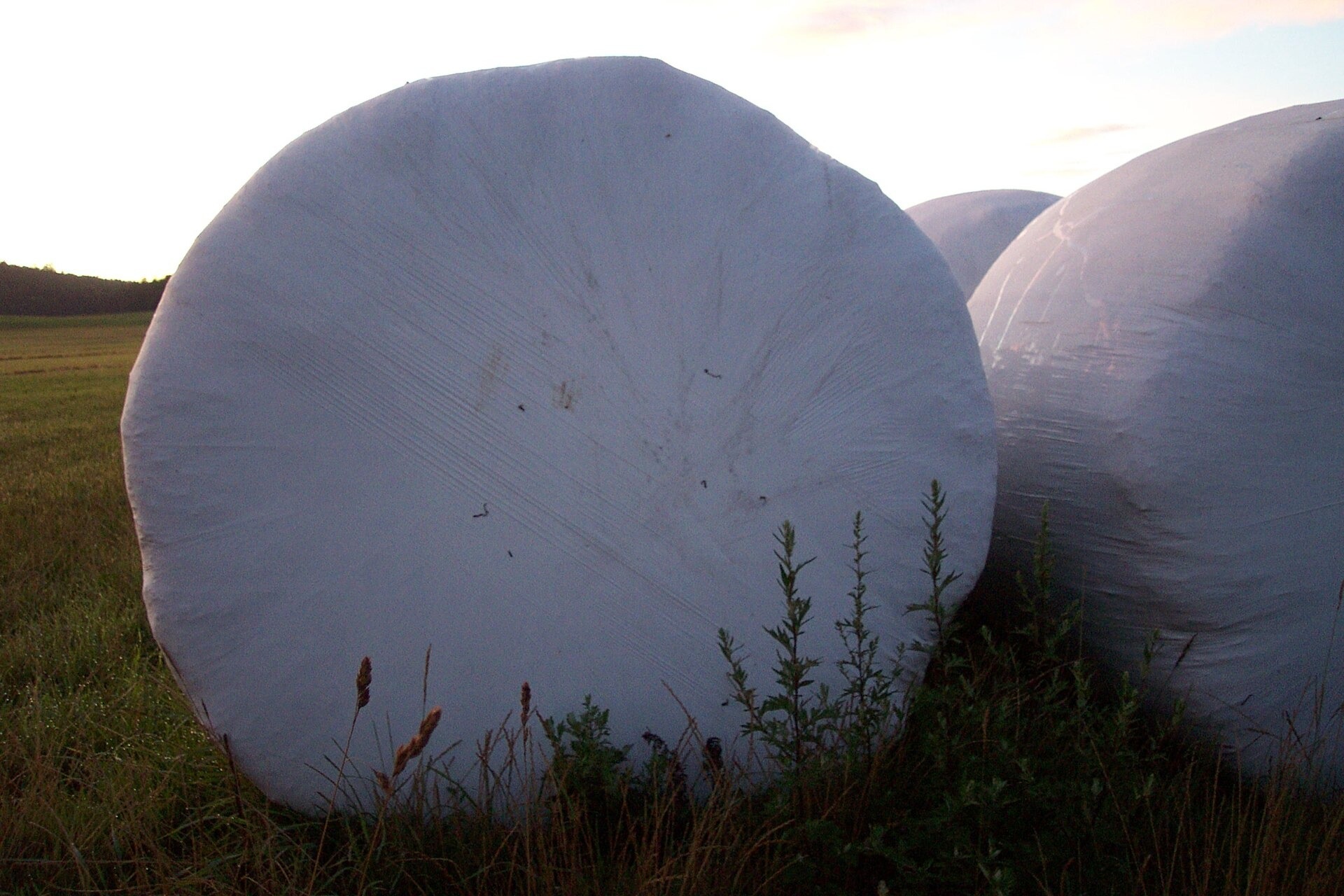
Forage and silage
5 MODELS
Check dry matter and quality at harvest, in the clamp or before feeding.
Silage
Maize silage
Sorghum silage
Hay, mixed
Pasture
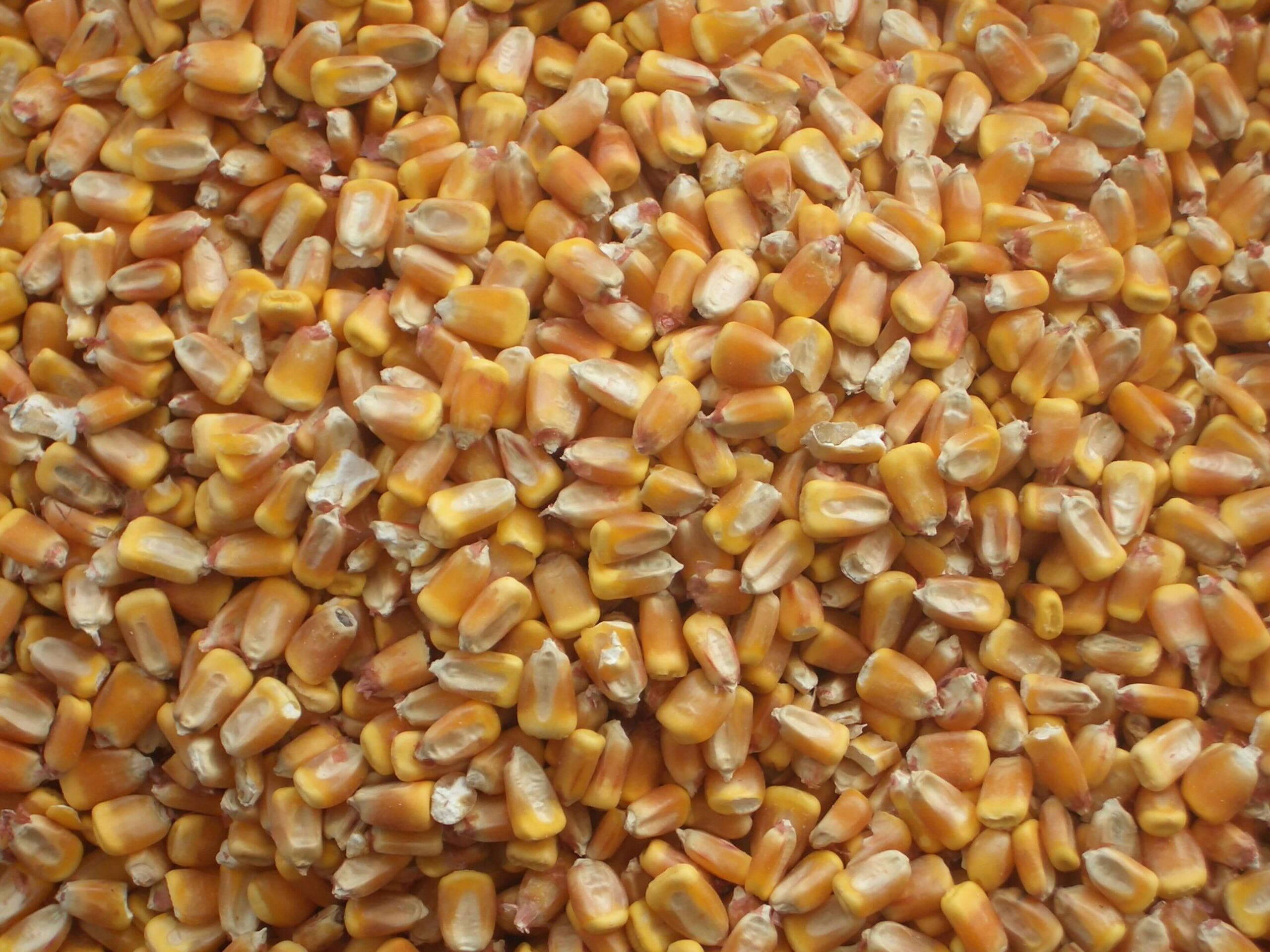
Grains and by-products
4 MODELS
Grain and raw material checks at intake, in storage or at the mill.
Maize grain
Maize, milled
Soy meal
Wheat bran
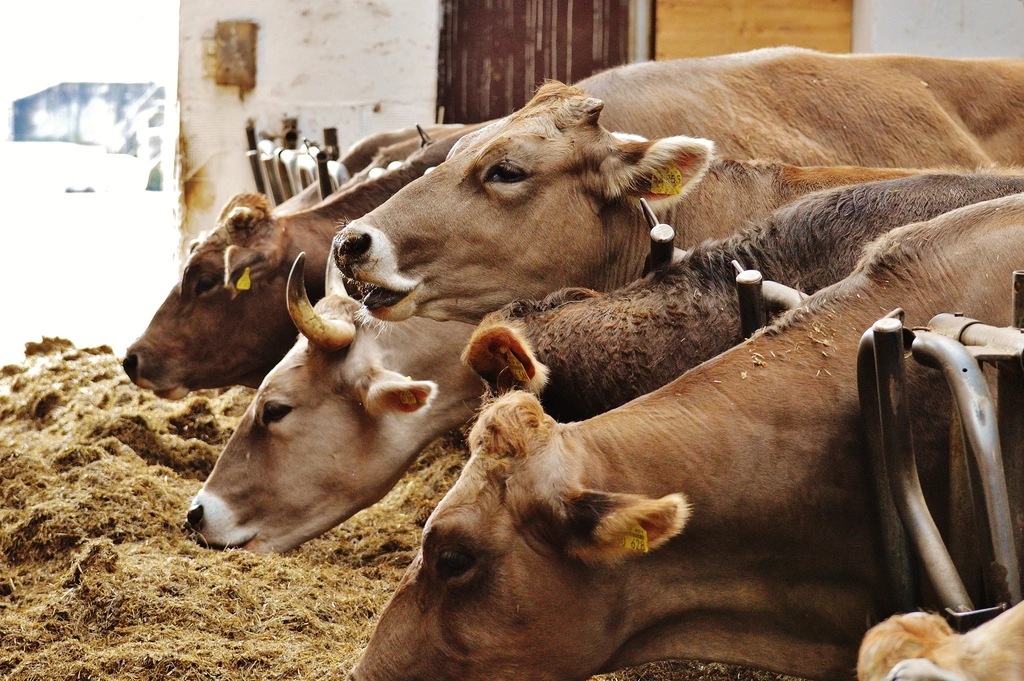
Compound feed
6 MODELS
Ration and product checks at the feed mill or on the farm.
Ruminant feed
Ruminant mix
Monogastric
Pig feed
Poultry mash
Poultry pellet
EXAMPLE RESULT
Fresh_silage_0907
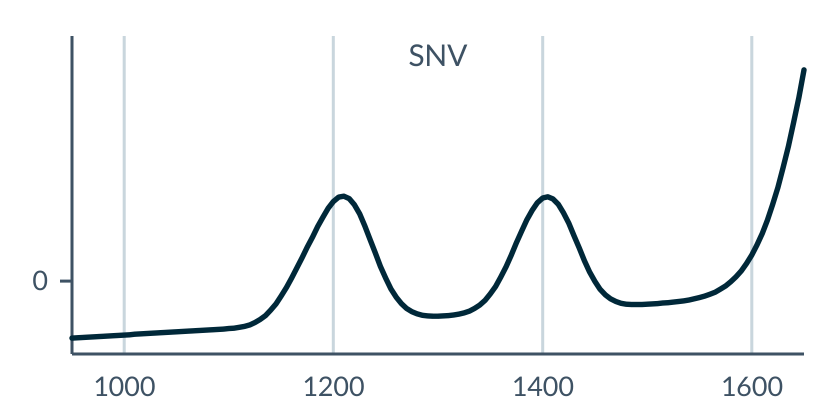
Fresh silage
Starting Model
34.5 %
Dry matter
Error ± 1.0%
Crude protein: 7.8% ± 0.4%
NDF: 40.2% ± 1.2%
ADF: 23.1% ± 0.9%
Starch: 32.4% ± 1.1%
Sugar: 2.1% ± 0.3%
Digestibility: 72.0% ± 1.5%
NEL: 6.6MJ/kg ± 0.1
Example result. Nutrients on a dry matter basis. Values are illustrative, and the parameters reported vary by model.
CUSTOM MODELS
Built around your samples
Beyond the ready-to-use models, we calibrate a model on your own reference samples for anything else on your line.
Milk and dairy
Fat
Protein
Moisture
and other parameters
Soil
N
P
K
Mg
Ca
Organic matter
pH
Texture
and other parameters
Plant tissue
N
P
K
Mg
Ca
and other parameters
Manure
Total nitrogen
Organic matter
Dry matter
Ammonia nitrogen
and other parameters
Fertilizer
N
P
K
Mg
Ca
Organic matter
and other parameters
Your own material
Other crops, soils or by-products from your region.
WHY IT MATTERS
Data-driven decisions, in the field and on the farm
Analyzing nutrients in the field lets you decide on the spot rather than days later. Every scan is stored, so you build a complete view of your fields, feed and performance over time.
That data flows into the web platform, where trends across fields, seasons and sites support better planning, resource use and forecasting.
HOW A MEASUREMENT WORKS
Three steps to a result
Whether your model comes from our library or was built on your samples, scanning works the same way.
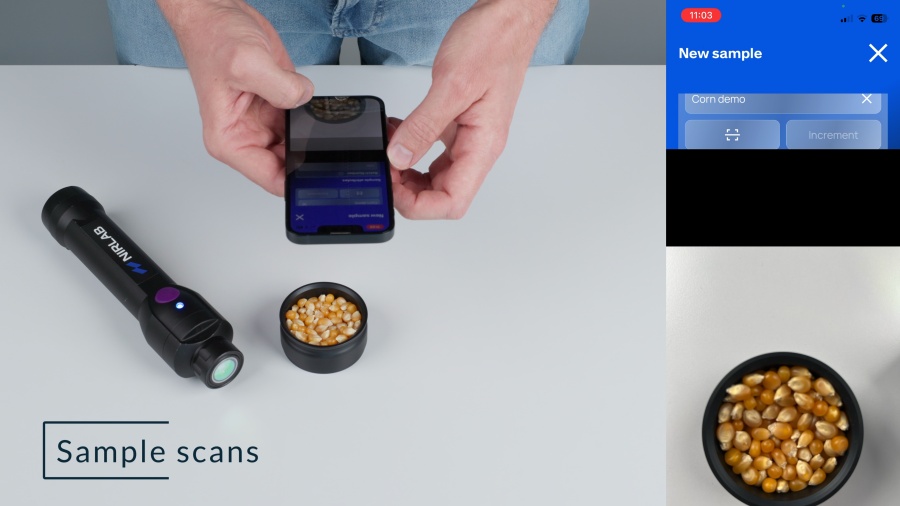
1
Connect
Pair the device with the NIRStudio app on your phone.
2
Scan
Choose your model, place the device on the sample and press the button.
✓
Result
Read the result in the app. It is stored and synced to the web platform.
YOUR MODEL
How your model gets built
It starts with your reference data: real samples from the crops, soils and feed your team works with.
1
Scan and send
Scan each sample with the device and send the same sample to a lab for certified reference analysis.
2
We build your model
We match your scans to the reference results and build a calibration validated against them.
3
Ready to use
Your model loads into the NIRStudio app, ready for your team to scan against.
Not sure NIR will work on your material? Start with a feasibility study: a short device rental and an initial model to confirm it works before you commit to a full build.
Frequently Asked Questions
The device and app work fully offline for scanning. You can scan all the samples in the field and once you have internet access, results sync to your personal account in the app and web portal for storage and review.
Our models are built from hundreds of accurate and reliable lab-analyzed samples. While NIR is not a replacement for certified laboratory testing in all cases, it provides fast, affordable and reliable values for on-site decision making.
Yes, we offer customized calibration development based on your samples coming from your region. This is the best scenario for companies, cooperatives or consultants working with specific regions or products.
We offer technical support usually keen to solve any technical issue as soon as possible. The team is happy to share more details through email, phone calls or video conferences. Get in touch through our contact form.
FROM THE BLOG
Read more about agriculture solutions
Unlocking the Future of Corn Production with Real-Time Analysis
Soil nutrients, plant tissue and post-harvest moisture and starch: how one portable NIR device supports every stage of corn production.
How Light Uncovers Coffee’s Hidden Story
From soil to leaf to bean: portable NIR gives coffee growers moisture, nutrient and organic matter readings on the spot instead of weeks later.
Instant Ingredient Verification with Portable NIR
Raw material identification is vital for quality and safety in agribusiness, especially in food and beverage.
Measuring Olives and Olive Oil on the Spot
Oil content, water, polyphenols and free fatty acids, measured on the olives, in the paste or in the finished oil: how portable NIR helps producers decide.
Tell us what you need to measure
If we already have a model for your material, you can start this week. If we don’t, we will build one for you.